
Colombia is one of the most biodiverse countries in the world and consequently has sought to employ genetic resources to further both its economic development and technological and scientifi...
DISPONIBLE
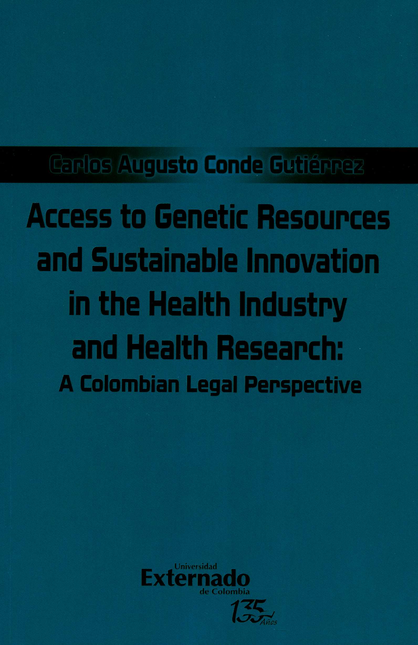
ACCESS TO GENETIC RESOURCES AND SUSTAINABLE INNOVATION IN THE HEALTH INDUSTRY AND HEALTH RESEARCH A COLOMBIAN
$75.000
Entrega estimada de 1 a 4 días. Tiempo máximo: 4 días.
Colombia is one of the most biodiverse countries in the world and consequently has sought to employ genetic resources to further both its economic development and technological and scientific advancement. Colombia’s implementation of the international regime o...
Accesos rápidos
Selección curadaLibros reales conectados al inventario.
Compra asistidaAtención personalizada por WhatsApp.
Pago seguroTransacciones protegidas y confiables.
Lectores que buscan Derecho, DERECHO INTERNACIONAL, MEDICINA INDUSTRIAL.
Ficha clara, disponibilidad real y datos bibliográficos en un solo lugar.
Colombia is one of the most biodiverse countries in the world and
consequently has sought to employ genetic resources to further both its
economic development and technological and scientific advancement.
Colombia’s implementation of the international regime on access to genetic
resources and benefit sharing responds to the interests of the country in
employing genetic resources for health research and also for the health
industry. However, the relevant Colombian law leaves aside practices and
knowledge that emanate from local, indigenous, and Afro-Colombian
communities in adding value to biodiversity. Through an interdisciplinary
analysis, this thesis adds a novel country case study to existing international
socio-legal literature on the International Regime on Access to Genetic
Resources and Benefit Sharing, showing its deficiencies when considered at
national and local levels. Further, drawing on a Capability Approach, the thesis
aims to suggest an alternative approach for Colombia, making the normative
claim that such an approach would create a more inclusive model of innovation
in the use of biodiversity.
CONDE GUTIÉRREZ, Carlos Augusto
Universidad Externado de Colombia
9789587905953
Por confirmar
2021
1ª ed. 2021
384
14 X 21
1 a 4 días
La disponibilidad se calcula desde el inventario activo.
Puedes agregarlo al carrito o solicitar acompañamiento por WhatsApp.
La ficha utiliza la información bibliográfica activa del catálogo.
Continúa explorando
Ver más →
Libros relacionados

Access to Genetic Resources and Sustainable Innovation in the Health Industry and Health Research
Carlos Augusto Conde Gutierrez ISBN 9789587905953
$75.000
Convenios de doble imposición
CASTRO ARANGO, José Manuel, Castro Arango José Manuel, Perdomo Giorgi Andrés Felipe ISBN 9789585064638
$135.000

Una aproximación a los límites de la legítima defensa
Andela de la Torre Benítez, de La Torre Ángela ISBN 9789586168409
$16.100

Una década con Derechos de la Naturaleza
Maldonado Adolfo, Varios, Martínez Yánez Esperanza, Murcia Riaño Diana Milena, Echeverría V. Hugo, Larreátegui Fabara Fred, Romo Leroux Francisco Bustamante, Vega Conejo Nina Pacari, Colón Ríos Joel I. ISBN 9789942096364
$70.570
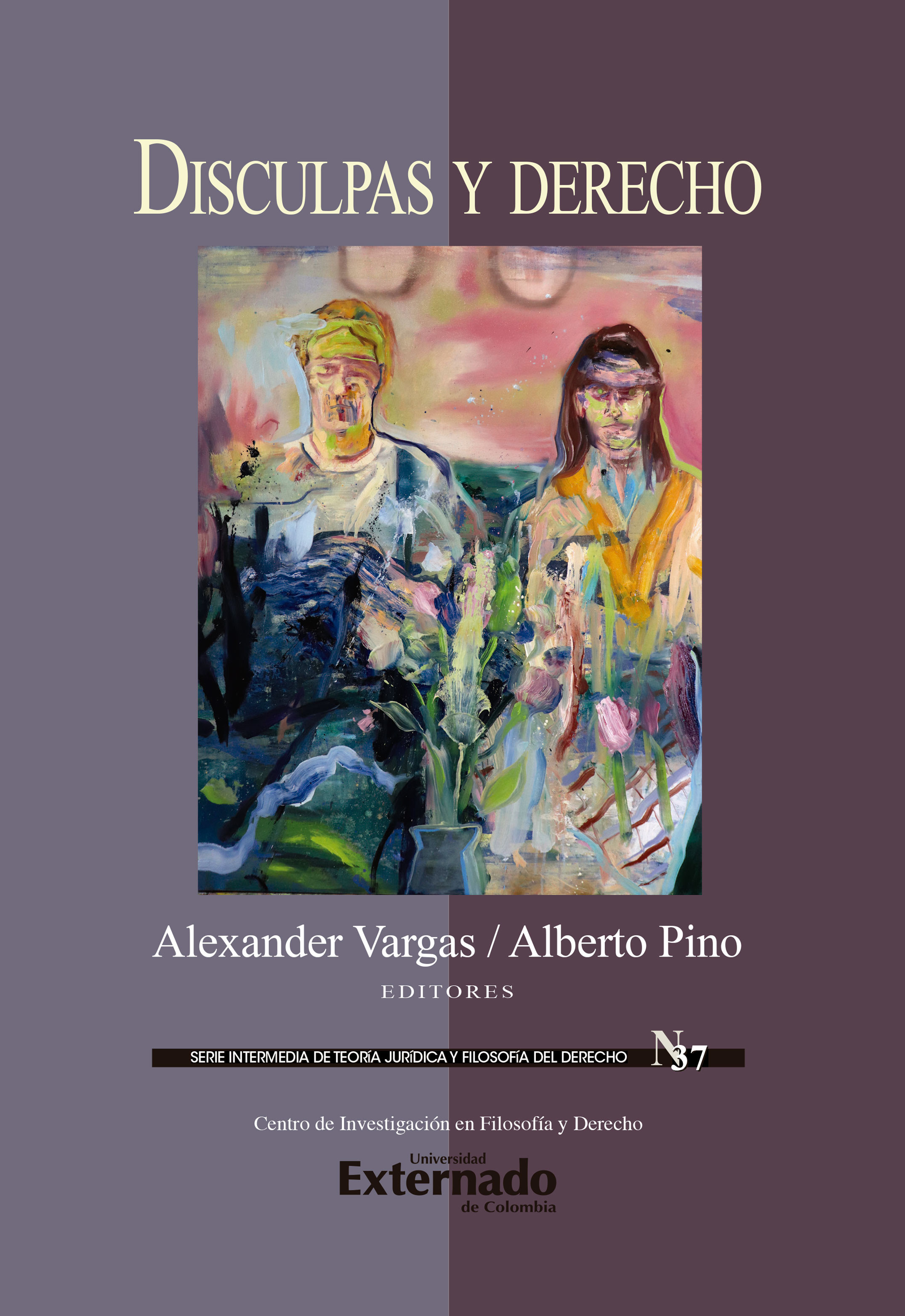
Disculpas y derecho
Vargas Tinoco Alexander, Autor por confirmar, Pino Emhart Alberto ISBN 9789585064867
$71.000

Armada de Colombia, interdicción marítima y garantías constitucionales
Grisales Francheschi Orlando Enrique, MONTAÑEZ TORRES, Jaime Leonardo, Montañez Torres Leonardo ISBN 9789585064942
$76.000
Leyendo a Fernando Hinestrosa
RUEDA, Natalia, Fortich Silvana, González de Cancino Emilssen, Robles Bacca Paula Natalia, Rodríguez Espitia Juan José, Guayacán Ortiz Juan Carlos, Rodríguez Olmos Javier M., Rengifo García Ernesto, Rodríguez G. Mónica, Padilla Sánchez Jorge Alberto ISBN 9789585065109
$60.000


Anuario de la Facultad de Derecho de la Universidad de Alcalá. Vol. X-2017.
AA. VV. ISBN 9788413243955
$158.926