Traditional education, which is mainly based on evaluating theoretical content at the end of a course, is not in keeping with the skillset we require in the twenty-first century. Today, we n...
DISPONIBLE
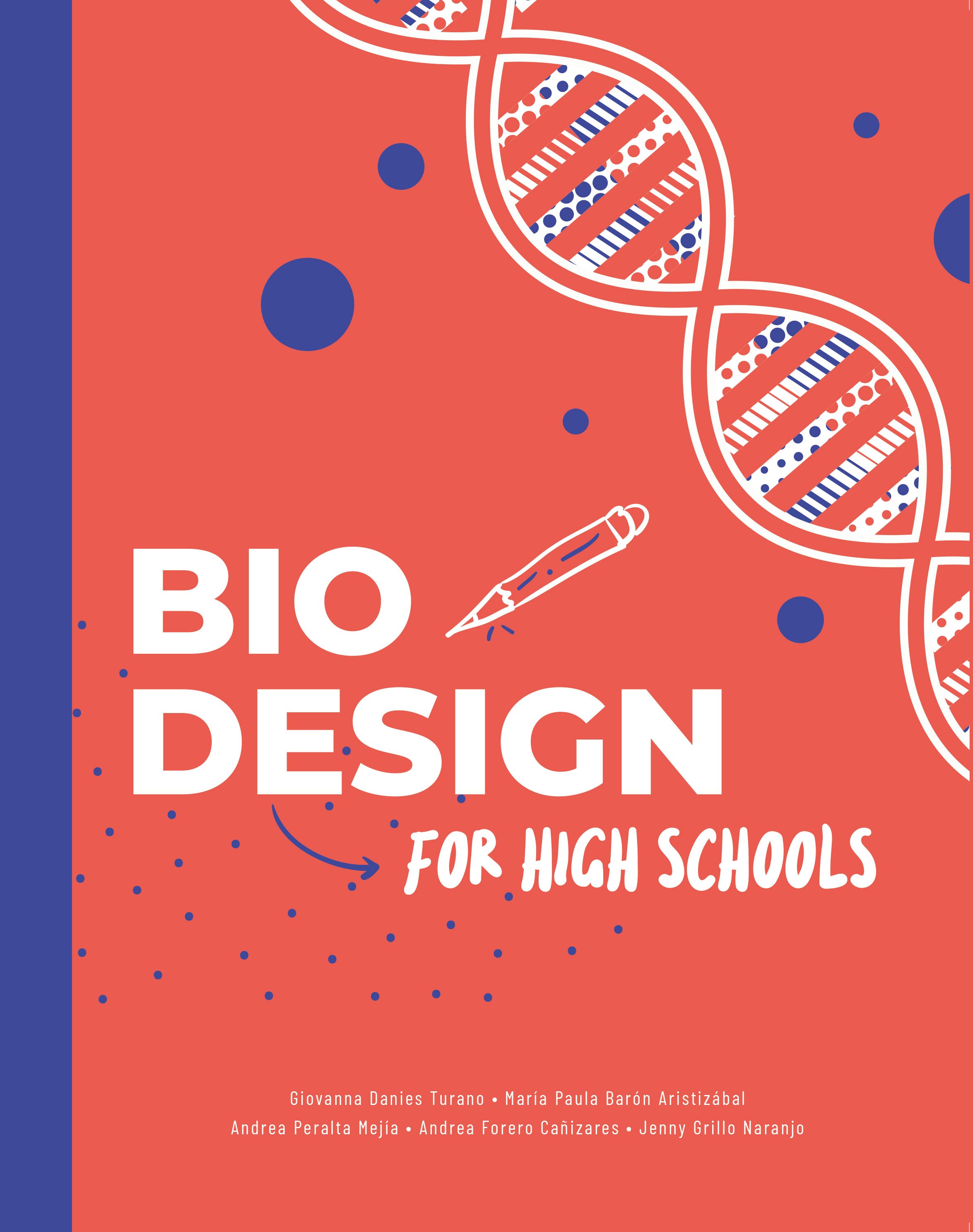
Biodesign in high schools
$254.782
Entrega estimada de 7 a 10 días. Tiempo máximo: 10 días.
Traditional education, which is mainly based on evaluating theoretical content at the end of a course, is not in keeping with the skillset we require in the twenty-first century. Today, we need creative and innovative individuals who can think critically, who...
Selección curadaLibros reales conectados al inventario.
Compra asistidaAtención personalizada por WhatsApp.
Pago seguroTransacciones protegidas y confiables.
Lectores que buscan Diseñadores.
Ficha clara, disponibilidad real y datos bibliográficos en un solo lugar.
Traditional education, which is mainly based on evaluating theoretical content at the end of a course, is not in keeping with the skillset we require in the twenty-first century. Today, we need creative and innovative individuals who can think critically, who are capable of learning to learn, and who have complex problem-solving skills. We need people who can work collaboratively using transdisciplinary communication skills. We need citizens who are aware of local needs but have a global vision. They must make decisions not only based on their own well-being, but also in the best interests of the community and the planet. They must understand that the solution requires a balance. People can acquire these skills through design thinking, which builds the learning process by carrying out projects, and theorizes based on set challenges. Biodesign for High Schools is a pedagogical proposal that combines scientific topics with a creative approach; it offers a plethora of possibilities to prepare future high school graduates to respond to the needs of today’s world.
Barón María Paula, Danies Giovanna, Forero Andrea, Grillo Jenny, Peralta Andrea, Danies Giovanna , Barón María Paula , Peralta Andrea , Forero Andrea , Grillo Jenny
Universidad de los Andes
9789587982459
Por confirmar
2022
Por confirmar
384
24.5 x 20 cm
7 a 10 días
La disponibilidad se calcula desde el inventario activo.
Puedes agregarlo al carrito o solicitar acompañamiento por WhatsApp.
La ficha utiliza la información bibliográfica activa del catálogo.
Continúa explorando
Ver más →
Libros relacionados

Biodesign for high schools
Giovanna Danies Turano, María Paula Barón Aristizábal, Andrea Peralta Mejía, Andrea Forero Cañizares, Jenny Grillo Naranjo ISBN 9789587982459
$250.000