
Chinas rise is usually measured through economic growth, technological innovation, or military strength. Yet these indicators alone cannot explain how the country governs itself or how it po...
DISPONIBLE
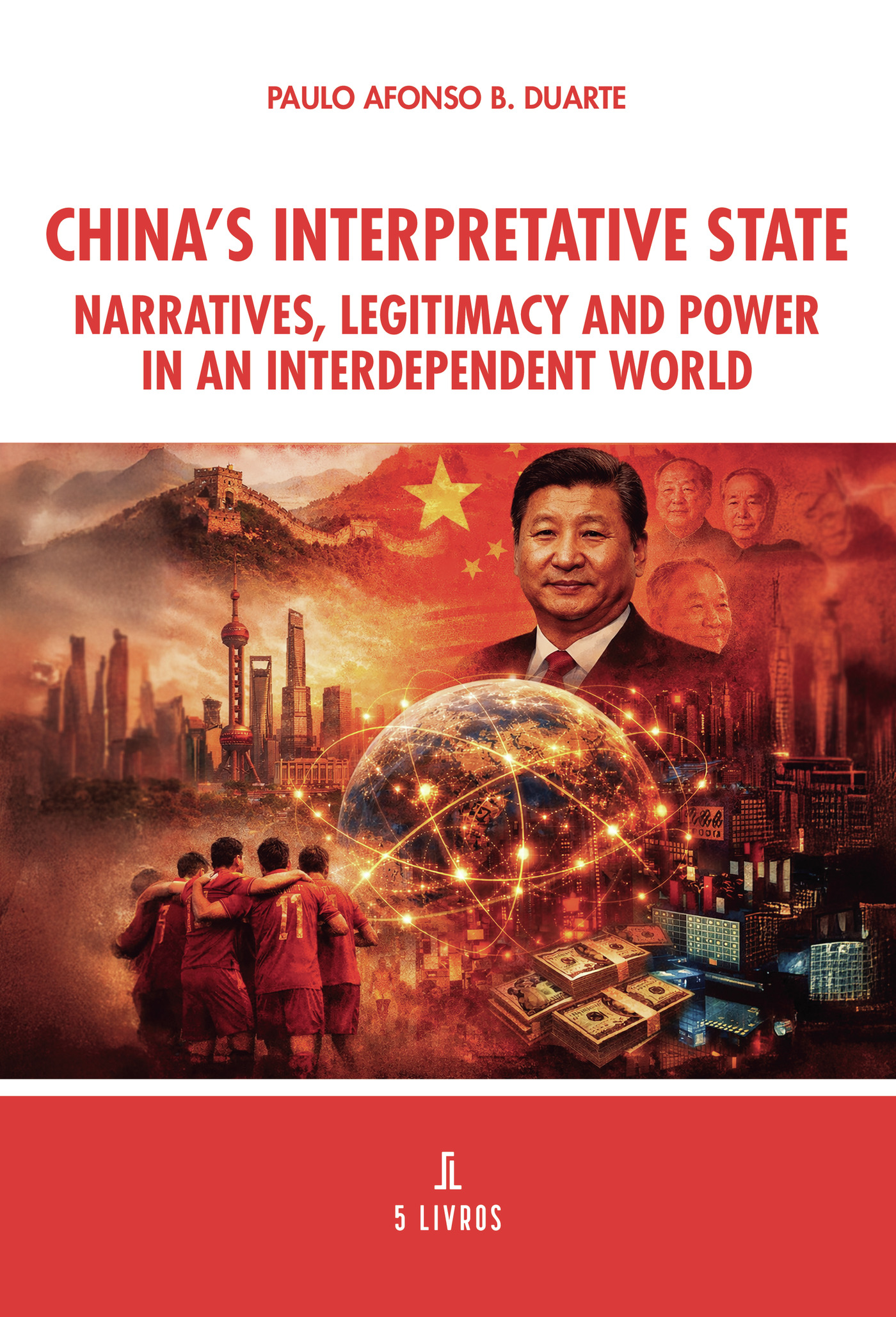
Chinas interpretative state
$96.502
Entrega estimada de 7 a 10 días. Tiempo máximo: 10 días.
Chinas rise is usually measured through economic growth, technological innovation, or military strength. Yet these indicators alone cannot explain how the country governs itself or how it positions its power in an increasingly interconnected world.In Chinas In...
Selección curadaLibros reales conectados al inventario.
Compra asistidaAtención personalizada por WhatsApp.
Pago seguroTransacciones protegidas y confiables.
Lectores que buscan Ciencias políticas y teoría.
Ficha clara, disponibilidad real y datos bibliográficos en un solo lugar.
Chinas rise is usually measured through economic growth, technological innovation, or military strength. Yet these indicators alone cannot explain how the country governs itself or how it positions its power in an increasingly interconnected world.In Chinas Interpretive State, Paulo Duarte offers a compelling new perspective: modern Chinese governance operates not only through institutions and policies, but also through the strategic construction of narratives that define reality, shape public expectations, and guide political action.Drawing on political theory, discourse analysis, and international relations, the book examines how narratives function as instruments of authority across four key arenas: leadership legitimacy, social cohesion, foreign policy, and financial security. From Mao Zedongs revolutionary discourse to Deng Xiaopings developmental pragmatism and Xi Jinpings vision of national rejuvenation, Duarte reveals how Chinas leaders have used interpretation itself as a tool of governance.Insightful and timely, this book provides a deeper understanding of how China manages complexity, legitimacy, and power within todays global order.
B. Duarte Paulo Afonso
Mário Brito Publicações Unipessoal, Lda | 5livros
9789895863105
Por confirmar
2026
Por confirmar
156
23.5 x 16 cm
7 a 10 días
La disponibilidad se calcula desde el inventario activo.
Puedes agregarlo al carrito o solicitar acompañamiento por WhatsApp.
La ficha utiliza la información bibliográfica activa del catálogo.
Continúa explorando
Ver más →
Libros relacionados

Trayectos de una escritura política: conversaciones sobre exilio, lecturas y pensamiento latinoamericano con Osvaldo Fernández
Jaime Villanueva Donoso ISBN 9789560105912
$45.500

Una agenda para la administración pública.
Nieto Fernando, Velasco Ernesto ISBN 9786076282854
$144.638


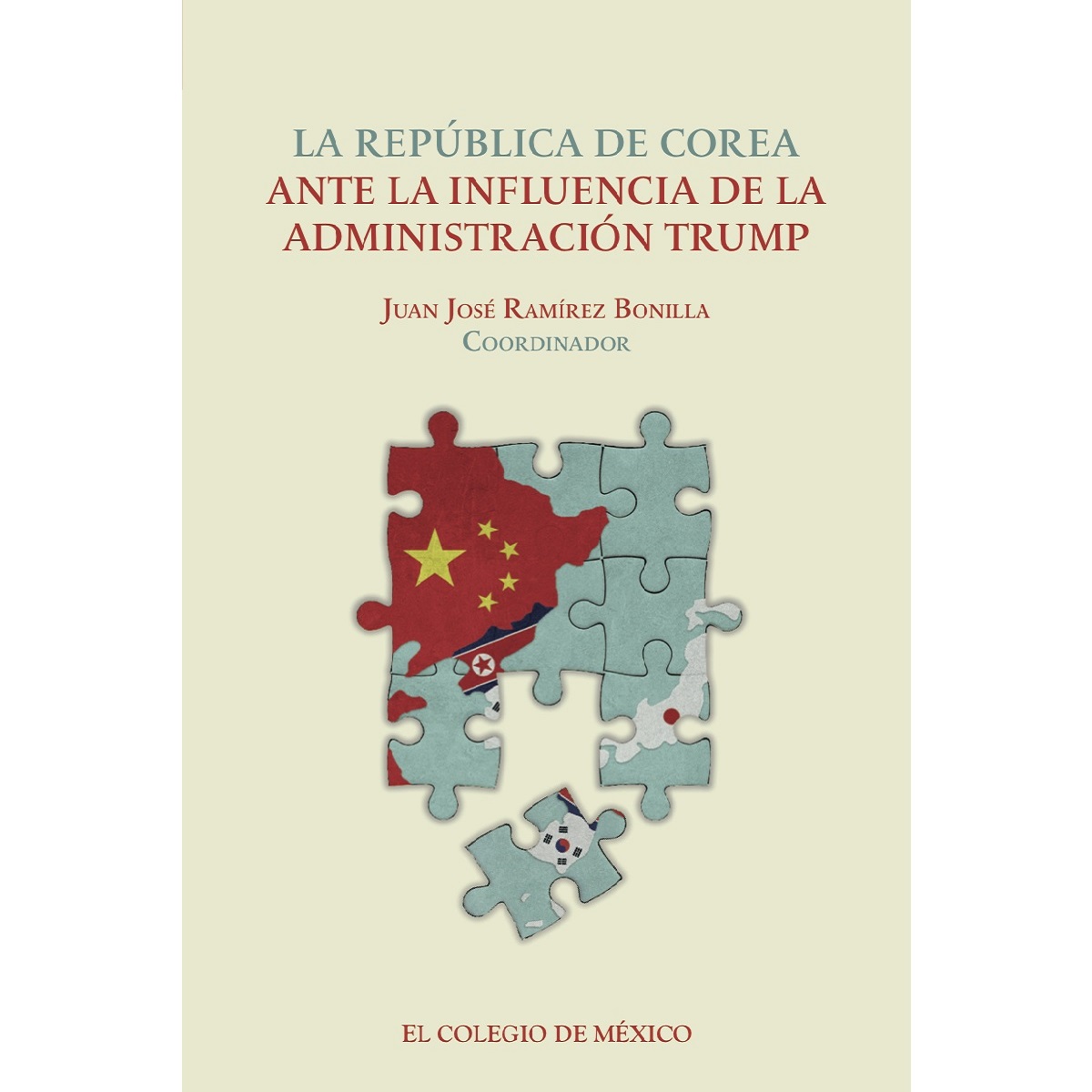
La república de Corea ante la influencia de la administración Trump.
Ramírez Bonilla Juan José ISBN 9786075642024
$110.394


Una década de planeación urbano-regional en México, 1978-1988
Garza Gustavo ISBN 9789681204266
$153.496